


Vietnam boosts digital technology applications in aquaculture
The application of advanced technological solutions for sustainable and environmentally friendly aquaculture is being implemented in many regions. New farming technologies, such as super-intensive farming and biofloc technology, have been introduced, increasing traditional productivity from 1 to 2 tons/ha to 15 to 20 tons/ha and reducing the production time by 2 to 3 months per crop compared to conventional methods. This results in profits increasing by 200 to 300 million VND/ha. Additionally, replacing 100% of cage structures with new materials, such as wood and bamboo, has increased productivity from 4 to 5 kg/ m² to 20 to 30 kg/ m².
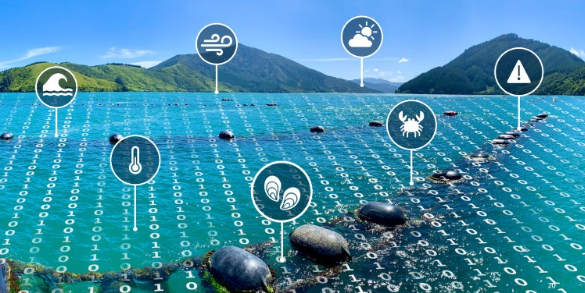
In Quảng Ninh province, the model of offshore cage fish farming combined with smart technology is applied to monitor and control environmental factors such as temperature, dissolved oxygen, feed, and fish development. This enhances fish productivity, reduces mortality rates, improves water and feed utilization efficiency, and minimizes negative impacts on the environment.
The Department of Fisheries in Bắc Giang province reported that the aquaculture area in the province is currently 12,050 hectares, producing 54,741 tons, ranking second among 14 provinces in the northern midland and mountainous region. The area for super-intensive and biofloc aquaculture is over 4,470 hectares, with an average productivity of 10 tons/ha for super-intensive farming and 5 to 7 tons/ha for biofloc farming.
From 2021 to 2023, Bắc Giang province implemented digital technology applications in super-intensive fish farming to enhance productivity, quality, and economic efficiency across 3 hectares in Tân Yên, Lạng Giang, and Hiệp Hòa districts. After three years, the survival rate of fish reached nearly 78%, productivity was 26.2 tons/ha, and the total output was 78.7 tons/3 hectares. In 2022, with a 1-hectare monoculture of tilapia, after 6 months, the profit reached 100 million VND, 24% higher than conventional farming.
One of the future goals of Vietnam’s fisheries industry strategy is to optimize production management efficiency through the vigorous promotion of digital transformation. Therefore, the fisheries sector needs to research and develop advanced farming technologies that save water and feed, reduce antibiotic use, and foster technology transfer and training.
According to the Directorate of Fisheries (Ministry of Agriculture and Rural Development), in 2023, the aquaculture area is estimated to reach 1.3 million hectares for domestic cultivation, producing 9.269 million tons; the export value is expected to reach 9.2 billion USD. Currently, the certified VietGAP aquaculture area is estimated at 13,000 hectares, producing around 1.65 million tons.
Cre: Vietfish Magazine
Ngày đăng : 01/03/2024
2374 View


Other Articles
AQUA MINA | CELEBRATING THE 67TH ANNIVERSARY OF VIETNAM’S TRADITIONAL FISHERIES DAY
Restructuring seed production to enhance the competitiveness of the aquaculture industry
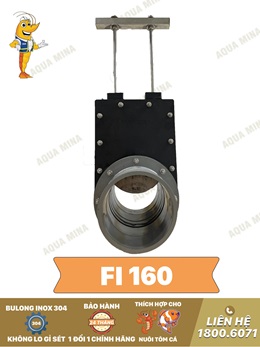
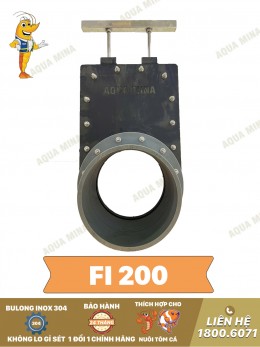
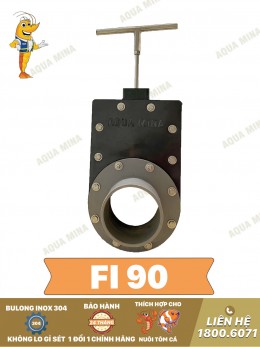
AQUA MINA COMMITS TO NO PRICE INCREASE – 15% OFF PVC Knife Gate Valves, Double Flanges, and Elbow Flanges TO SUPPORT SHRIMP AND FISH FARMERS
Global shrimp prices – Week 12: Ecuador shrimp prices recover, while India and Indonesia remain stable
The global surimi market is projected to grow strongly.
Cà Mau: Expanding the RAS-IMTA model toward sustainable, zero-discharge shrimp farming.
From seed stock to farming equipment, high-tech aquaculture attracts strong interest in Ho Chi Minh City
Shrimp industry enterprises proactively adapt to global fluctuations
DAY 3 – AQUA MINA | STRONG CONNECTIONS – A MEMORABLE CLOSING AT VIETSHRIMP AISA 2026
DAY 2 – AQUA MINA | DEEP INSIGHTS & SMART SOLUTIONS FOR MODERN AQUACULTURE
DAY 1 – AQUA MINA | A POWERFUL OPENING AT VIETSHRIMP ASIA 2026
OFFICIAL OPENING of the International-Scale Aquaculture Exhibition Series | See You Again with AQUA MINA at VietShrimp Asia 2026


.jpg)