


Indian shrimp pivot to the EU, increasing competitive pressure on Vietnam
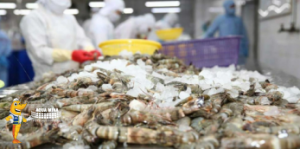
Despite ongoing volatility in global seafood trade, India’s shrimp industry recorded strong growth in 2025. In the first 11 months of the year, the country exported nearly 734,600 tons of shrimp, generating approximately USD 5.23 billion, up 10% in volume and 17% in value compared to the same period last year. In October and November alone, export volumes remained above 75,000 tons per month, reflecting sustained momentum.
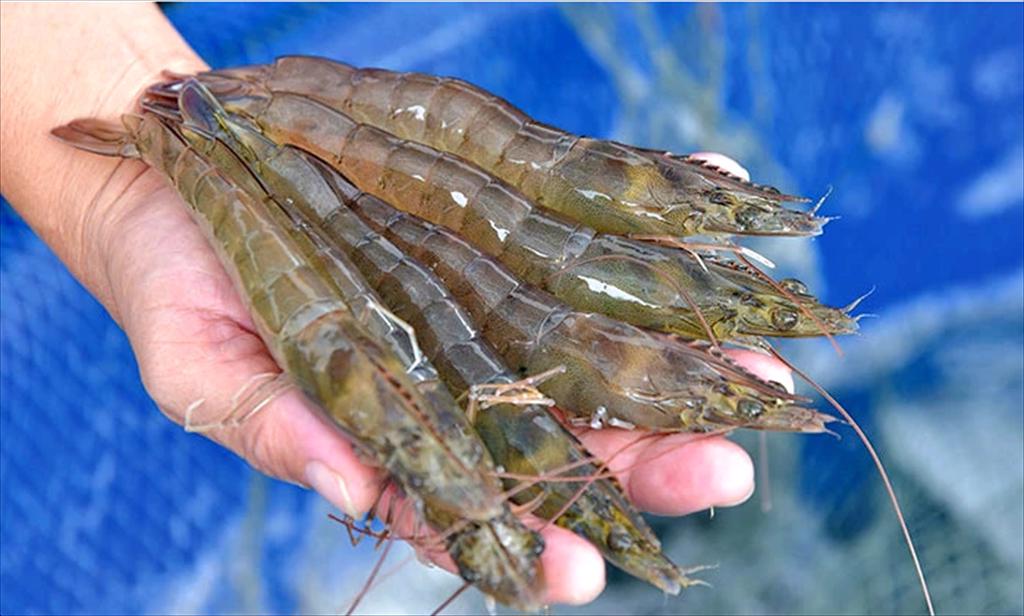
Vietnamese shrimp under mounting competitive pressure as India boosts exports
According to Ms. Kim Thu, shrimp market expert at the Vietnam Association of Seafood Exporters and Producers (VASEP), U.S. tariff measures have not reduced overall demand for Indian shrimp but have mainly redirected trade flows to other markets. While exports to the U.S. declined due to high tariffs, the EU has emerged as the primary growth destination. In the first 11 months of 2025, Indian shrimp exports to the EU reached nearly 107,650 tons, up 38%—the strongest growth among its key markets. During the same period, China imported more than 141,000 tons, up 10%.
A notable turning point was the conclusion of negotiations for a Free Trade Agreement (FTA) between India and the EU at the end of January 2026, paving the way for tariff reductions on various products, including seafood. According to European importers, once the agreement takes effect, import duties on Indian shrimp could decline significantly, enhancing its competitiveness against suppliers such as Ecuador and Vietnam. Although the agreement still requires ratification, it has already generated positive market sentiment, encouraging long-term contracts and expanded investment in the EU market.
At the same time, U.S.–India trade relations show signs of improvement as U.S. reciprocal tariffs on Indian goods were reduced from 25% to around 18%. However, anti-dumping and countervailing duties continue to keep the effective cost of Indian shrimp relatively high. Experts believe that while U.S. demand may partially recover, the EU is likely to become a strategic pillar in India’s shrimp exports in the coming years.
These developments create direct competitive pressure on Vietnam, particularly in the EU—a market where Vietnam has benefited from the EVFTA. If Indian shrimp enjoys equivalent or lower tariff rates, its price advantage—driven by large-scale farming and lower production costs—will become more evident, intensifying competition in raw shrimp and mainstream product segments.
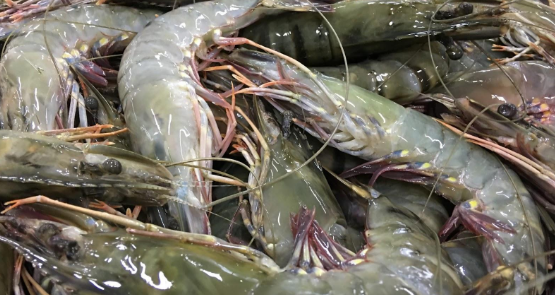
Nevertheless, Vietnam maintains strengths in deep-processed, value-added products and in meeting high standards for quality, traceability, and sustainability. As price-based competition becomes increasingly challenging, Vietnamese companies are encouraged to raise the share of value-added products, leverage EVFTA preferences, and expand into promising markets such as Japan, South Korea, and CPTPP member countries. Investment in sustainability standards, ESG compliance, and green certifications will also become a strategic differentiator.
According to experts, India’s shrimp story demonstrates strong adaptability to policy shifts. For Vietnam, this represents both a challenge and a catalyst to upgrade its growth model. In the long term, the shrimp industry’s competitive advantage will lie in value addition, branding, and sustainable quality—key factors determining the global position of Vietnamese shrimp.
Source: Nguoi Nuoi Tom
AQUA MINA CO., LTD
– Address: 685 Le Duc Anh Street, Quarter 39, Binh Hung Hoa Ward, Ho Chi Minh City
– Phone: 1800 6071 (Toll-free hotline)
– Email: sales@aquamina.com.vn or oversea@aquamina.com.vn
– Aqua Mina’s Official Distributor in Japan: REX INDUSTRIES CO., LTD
– Address: 1-9-3 Hishiya-Higashi, Higashi-Osaka 578-0948, JAPAN
– Email: kimakubo@rexind.co.jp
– Phone: +81-(0)72-961-9893
– Website: www.rexind.co.jp/e/

WE WORK FOR THE SUCCESS
Ngày đăng : 22/02/2026
1190 View


Other Articles
AQUA MINA | CELEBRATING THE 67TH ANNIVERSARY OF VIETNAM’S TRADITIONAL FISHERIES DAY
Restructuring seed production to enhance the competitiveness of the aquaculture industry
AQUA MINA COMMITS TO NO PRICE INCREASE – 15% OFF PVC Knife Gate Valves, Double Flanges, and Elbow Flanges TO SUPPORT SHRIMP AND FISH FARMERS
Global shrimp prices – Week 12: Ecuador shrimp prices recover, while India and Indonesia remain stable
The global surimi market is projected to grow strongly.
Cà Mau: Expanding the RAS-IMTA model toward sustainable, zero-discharge shrimp farming.
From seed stock to farming equipment, high-tech aquaculture attracts strong interest in Ho Chi Minh City
Shrimp industry enterprises proactively adapt to global fluctuations
DAY 3 – AQUA MINA | STRONG CONNECTIONS – A MEMORABLE CLOSING AT VIETSHRIMP AISA 2026
DAY 2 – AQUA MINA | DEEP INSIGHTS & SMART SOLUTIONS FOR MODERN AQUACULTURE
DAY 1 – AQUA MINA | A POWERFUL OPENING AT VIETSHRIMP ASIA 2026
OFFICIAL OPENING of the International-Scale Aquaculture Exhibition Series | See You Again with AQUA MINA at VietShrimp Asia 2026


.jpg)