


Does Shrimp Feed Need to Have High Protein Content?
Vannamei shrimp require nutrients from feed for their growth. The adequacy of nutrients in the feed is also believed to help enhance the shrimp’s immunity against pathogen attacks. Some essential nutrients in shrimp feed include protein, lipids, carbohydrates, minerals, and vitamins.
Protein is the largest component in quality vannamei shrimp feed. However, does quality shrimp feed need to have a high protein content?

The Role of Protein in Shrimp Growth
Protein is an essential nutrient required by shrimp to support their bodily functions. Adequate protein content is crucial because protein plays a role in the formation of body tissues, enzymes, and hormones that support shrimp growth.
Quality shrimp feed with sufficient protein content can help ensure that shrimp receive enough nutrition for their body metabolism.
Good Protein Content in Shrimp Feed
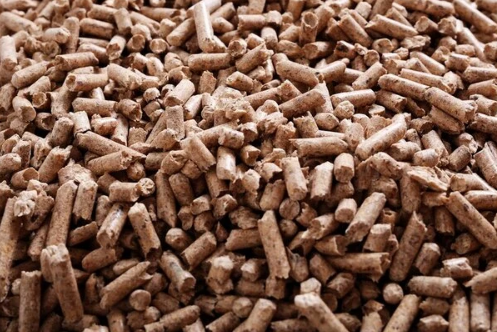
Protein is the largest component in quality vannamei shrimp feed. Protein content in feed is generally expressed as a percentage of crude protein, for example, 30%, 35%, 45%, and so on. Protein levels are considered high if they fall within the range of 35-45%, while they are considered moderate to low at 30-35% or below.
High protein vs. Low Protein Feed
It is important to pay attention to feed management and water quality when determining the protein level in feed because the interaction between feed, shrimp, and water quality significantly impacts optimal production results.
High-protein feed, while promoting rapid shrimp growth, also carries certain consequences. High-protein sources, such as fish meal and shrimp head meal, provide an attractive aroma for shrimp.
However, using high-protein feed can increase the levels of total ammonia, nitrite, and nitrate in the water, as well as result in unused feed being discarded as shrimp waste.
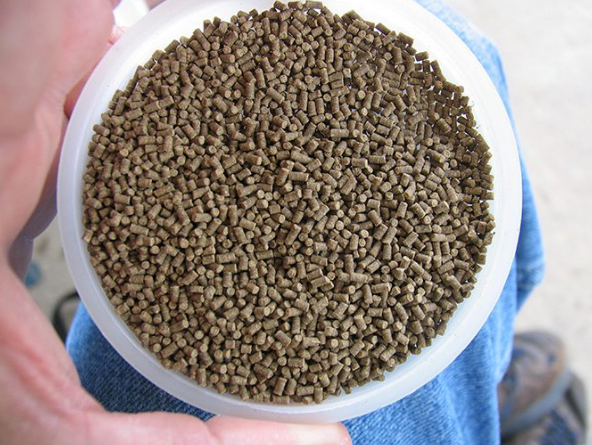
On the other hand, low-protein feed can be a more cost-effective option. Feed with a protein content of 30-35% is considered sufficient to meet the metabolic needs and growth of shrimp. However, palatability and feed quality should also be considered to prevent waste.
Therefore, farmers must implement good feed management to ensure that feeding does not hurt their cultivation.
Feed management can be enhanced through a feed rotation strategy, replacing high-protein feed with low-protein feed. This strategy is based on considerations of age, size, weight, and nutritional needs of shrimp, to improve cost efficiency and harvest results.
Cre: DELOS Aqua


Green & Digital Transformation: A New Eco-Cycle for Shrimp-Rice Farming
High-Tech Shrimp Farming: A Double-Edged Sword
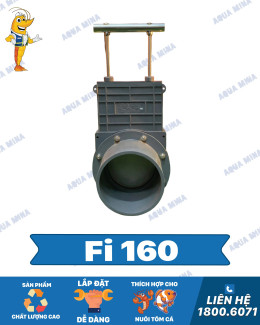
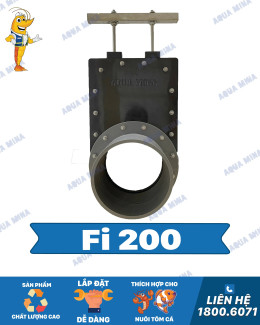
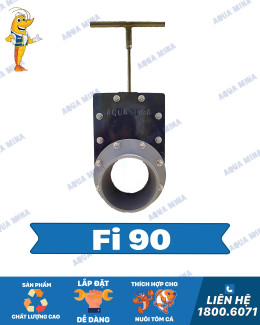
Why are PVC knife gate valves preferred for bottom drain pipes in shrimp and fish ponds?
EU’s New Packaging Life Cycle Regulations: What Should Seafood Businesses Prepare For?
Wild Shrimp Harvesting Faces Challenges in Supply and Sustainability
Minh Phú Invests in Production Expansion and Accelerates Automation in the Shrimp Industry
The U.S. Shrimp Market Recovers and Moves Toward Stability
What needs to be checked on a knife gate valve before it reaches the customer?
Mastering RAS technology: The answer to green aquaculture
Dutch capital awaits Western Vietnamese shrimp: Funds are available, but mechanism is missing
PVC knife gate valves in shrimp farms: What do customers say?
Canada waives retaliatory tariffs on US seafood imports


.jpg)