


How to Make Shrimp Farming More Resilient to Climate Change
Fluctuating climates significantly impact shrimp farming, especially regarding water temperature, changes in rainfall patterns, and the potential for storms. While the effects of climate change are highly unpredictable, adaptation measures must be implemented by farmers to ensure their shrimp farming becomes more resilient to these changes.
Adapted from the writings of Kyra Hoevenaars and Jonah van Beijnen, here are some tips you can follow to make shrimp farming more resilient to climate.
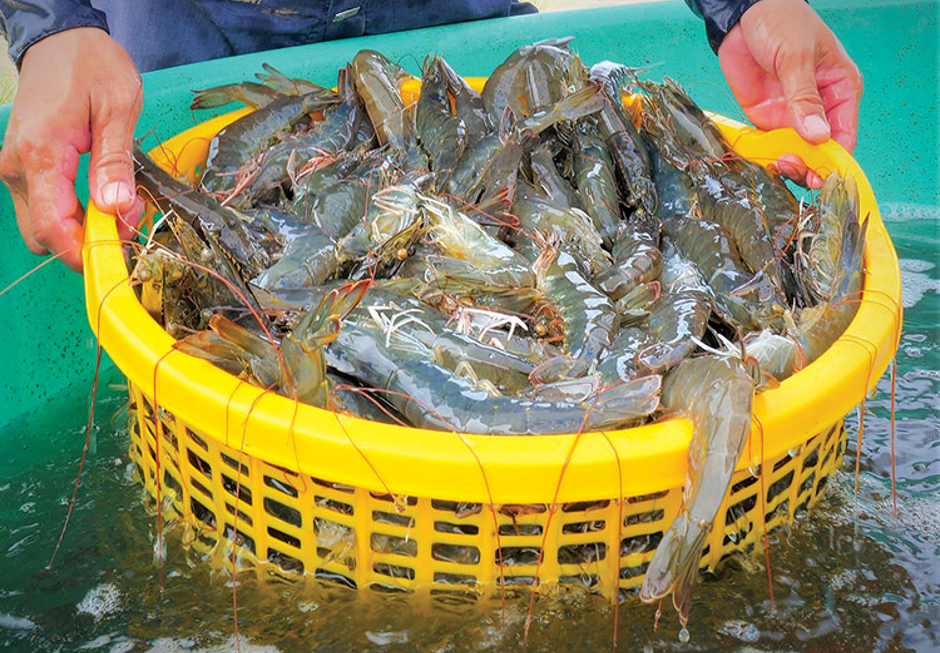
How to Make Shrimp Farming More Resilient to Climate Change
1. Implement Good Farming Management
Implementing good shrimp farming management is the first step in addressing climate change, especially concerning the location of shrimp farming, ensuring appropriate stocking densities, and ensuring the biosecurity of your shrimp ponds.
Vulnerability to diseases is likely to increase with climate change because shrimp immune systems can be compromised when experiencing stress due to significant environmental changes in relatively short periods. By implementing good shrimp farming management, vulnerability to climate change-induced diseases can be prevented and mitigated.
2. Conduct Risk-Based Analysis
If you’ve just opened a new shrimp farming area, risk-based analysis should be conducted regarding climate change and other extreme weather events. This can also be applied to existing shrimp ponds. Analysis can be performed by examining climate change risks, potential impacts, and risk mitigation capacities.
If after conducting risk-based analysis problems cannot be addressed, relocating ponds to safer areas should be considered. Typically, this issue is faced by areas prone to drought and flooding.
3. Product Diversification
Product diversification is a common strategy used to reduce risks of losses due to climate change. This allows production to continue if one type of farming fails.
Diversification only works if different species are not subject to the same risks, such as specific disease outbreaks. Economically, diversification also makes farmers’ income sources more varied, stabilizing production and potentially increasing resource efficiency.
Additionally, market diversification between local, national, and international options is also important.
4. Utilize Early Warning Systems
Farmers should be familiar with climate change information and climate variations from reliable sources. Obtaining timely information or even earlier can allow farmers to respond more quickly to potential risks.
For example, understanding weather forecasts from the Meteorology, Climatology, and Geophysics Agency (BMKG). Through this, you can prepare for upcoming extreme weather, so you know what treatments your ponds will need next.
5. Improve Pond Infrastructure
To make shrimp farming more resilient to climate change, you need to improve your shrimp pond infrastructure. For example, by building higher and stronger embankments to protect against floods or creating deeper ponds in preparation for the dry season.
During the rainy season, it is important to ensure that your ponds can drain water out properly. For this, it is important to ensure that pipes and channels for water inflow and outflow, as well as drainage, work properly.
Moreover, ensure that the water channels are wide enough to accommodate extra water during heavy rains and floods. While during the dry season, these channels can be useful for ensuring the supply of water from the sea or rivers to the ponds.
6. Collaborate with Others
Most climate adaptation measures cannot be implemented by individuals alone. Therefore, farmers need to collaborate to achieve a common goal of productive and climate-resilient farming.
Through this organization, the exchange of knowledge and experiences can become stronger. Furthermore, access to information and existing resources. Taking collective responsibility in adapting to climate change is an important step in building farming that is more resilient to climate change.
Cre: DELOS Aqua


Why Did a Customer Travel from Vinh Long to Ho Chi Minh City to Buy AQUA MINA PVC Knife Gate Valve
Green & Digital Transformation: A New Eco-Cycle for Shrimp-Rice Farming
High-Tech Shrimp Farming: A Double-Edged Sword
Why are PVC knife gate valves preferred for bottom drain pipes in shrimp and fish ponds?
EU’s New Packaging Life Cycle Regulations: What Should Seafood Businesses Prepare For?
Wild Shrimp Harvesting Faces Challenges in Supply and Sustainability
Minh Phú Invests in Production Expansion and Accelerates Automation in the Shrimp Industry
The U.S. Shrimp Market Recovers and Moves Toward Stability
What needs to be checked on a knife gate valve before it reaches the customer?
Mastering RAS technology: The answer to green aquaculture
Dutch capital awaits Western Vietnamese shrimp: Funds are available, but mechanism is missing
PVC knife gate valves in shrimp farms: What do customers say?






.jpg)