



7 Types of Shrimp That are Favorites in Japanese Cuisine
The distinctive taste of shrimp makes it a constant presence in Japanese cuisine. So, what are the favourite types of shrimp?
Types of Shrimp in Japanese Cuisine
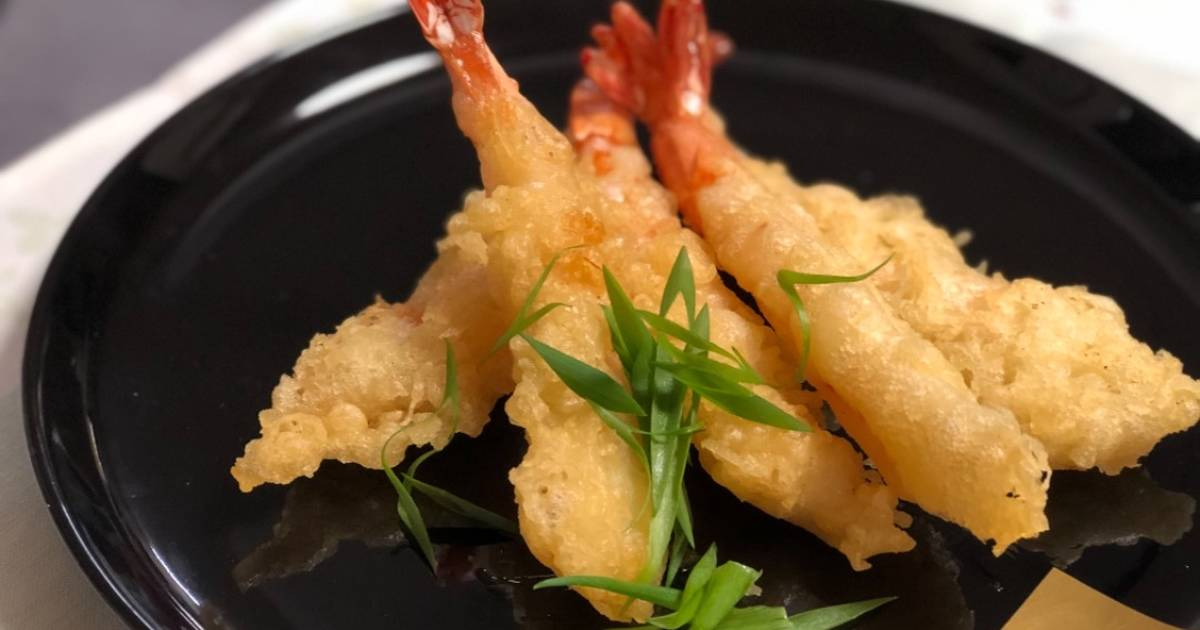
1. Vannamei Shrimp
Vannamei shrimp, also known as white shrimp, is one of the most commonly cultivated shrimp worldwide. Its resilience to environmental conditions and diseases makes it popular.
When prepared in dishes, Vannamei shrimp is characterized by its tender meat and delicious flavour.
No wonder this shrimp is a favourite in Japanese cuisine, featuring dishes like sushi, sashimi, and tempura. Its ample size and widespread availability also make Vaname shrimp an economical choice for shrimp dishes.
2. Tiger Prawn
Another favourite in Japanese cuisine is the tiger prawn or Panaeus monodon. This shrimp type has a substantial size and firm texture compared to other shrimp varieties.
In Japanese dishes, tiger prawns are often used in dishes requiring large-sized shrimp, such as grilled prawns, oyster sauce prawns, or as an ingredient in hotpots.
3. Kuruma Ebi (Japanese Tiger Prawn)
Kuruma Ebi, also known as Wheel Shrimp, features a tail that curves like a wheel. In Japanese cuisine, this shrimp is commonly used in sushi and sashimi dishes. With its natural sweetness and chewy texture, Kuruma Ebi provides a special shrimp-eating experience.
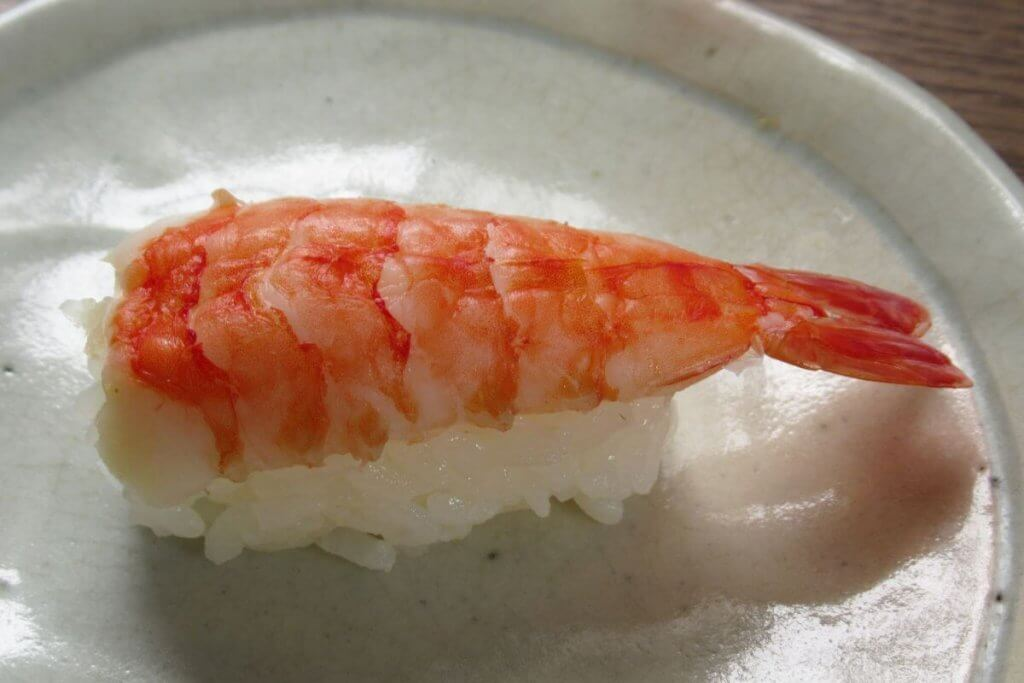
4. Botan Ebi (Peony Shrimp)
Botan Ebi, or Peony Shrimp, is considered one of the most luxurious shrimp varieties in Japan. The shrimp’s large size and bright red colour make it a top choice for upscale sushi and kaiseki dishes, a traditional Japanese multi-course meal featuring small, artful dishes.
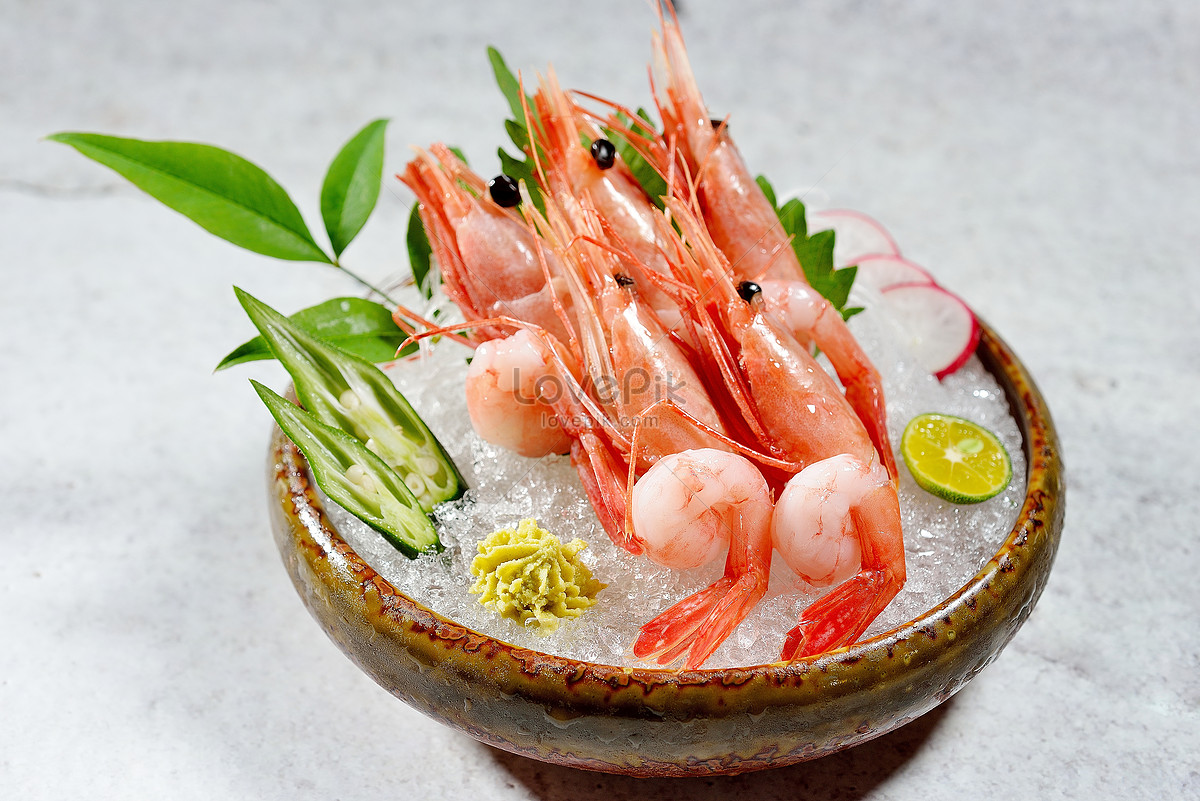
5. Ama Ebi (Sweet Shrimp)
Ama Ebi, known as Sweet Shrimp, boasts a transparent colour and exceptionally sweet flesh. This shrimp is typically served as sashimi or raw sushi. Known for its unique and refreshing raw eating experience, Ama Ebi, or sweet shrimp, is favoured by many.
6. Kaki Ebi (Kaki Shrimp)
Another favorite shrimp type in Japanese cuisine is Kaki Ebi or Dried Shrimp. These small shrimp are usually crushed and used as seasoning in various Japanese dishes.
Typically added to dishes like miso soup, okonomiyaki (Japanese pancake), and others, Kaki Ebi imparts a distinctive savoury and umami flavour.
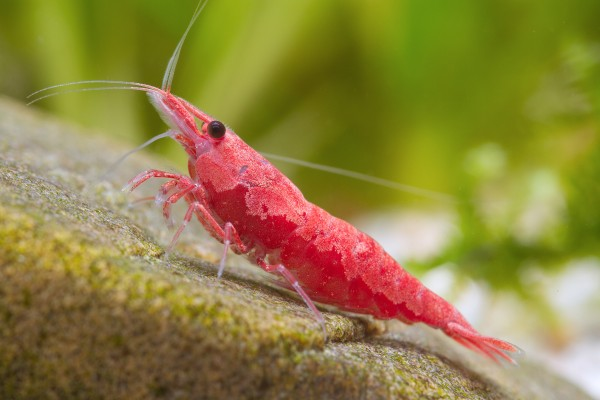
7. Sakura Ebi (Cherry Blossom Shrimp)
The last favourite shrimp type in Japanese cuisine is Sakura Ebi. This small shrimp gets its name from the cherry blossom due to its bright colour. Sakura Ebi is usually dried and used as seasoning or sprinkled on dishes like chawanmushi (Japanese pudding), and donburi (rice bowl), to add a unique flavour and aroma.
Cre: DELOS Aqua
Ngày đăng : 13/02/2024
3892 View


Other Articles
Intensifying El Niño Effect: Climate Change Risks Threaten the Global Shrimp Supply Chain
Evaluating Gaps in the Circular Economy Value Chain of the Shrimp Industry
A Comprehensive Overview of the Vietnamese Shrimp Industry
CA MAU ACCELERATES MARINE AQUACULTURE DEVELOPMENT FROM 2026 TO 2030, WITH A VISION TO 2045
VIETNAM’S SHRIMP INDUSTRY: FROM RECORD EXPORTS TO THE RACE FOR EFFICIENCY AND VALUE
Why Did a Customer Travel from Vinh Long to Ho Chi Minh City to Buy AQUA MINA PVC Knife Gate Valve
Green & Digital Transformation: A New Eco-Cycle for Shrimp-Rice Farming
High-Tech Shrimp Farming: A Double-Edged Sword
Why are PVC knife gate valves preferred for bottom drain pipes in shrimp and fish ponds?
EU’s New Packaging Life Cycle Regulations: What Should Seafood Businesses Prepare For?
Wild Shrimp Harvesting Faces Challenges in Supply and Sustainability
Minh Phú Invests in Production Expansion and Accelerates Automation in the Shrimp Industry








.jpg)