



5 groups of people who should not eat shrimp, no matter how much they love it, to avoid nviting illness into the body
Shrimp is considered a healthy seafood option. It is one of the most popular foods thanks to its delicious flavor and high nutritional value. However, not everyone can eat shrimp safely. For some people, this food may cause unwanted side effects, ranging from indigestion to allergies, and may even worsen existing medical conditions.
5 groups of people who should not eat shrimp, no matter how much they like it, to avoid “inviting illness”
Shrimp is a protein-rich food, providing about 19 grams of protein per serving, equivalent to nearly 75% of its total calories coming from protein, making it suitable for lean-protein diets.
In addition to maintaining muscle mass, the protein in shrimp plays an important role in building and repairing cells and tissues, regulating enzymes and hormones, and maintaining fluid balance in the body. According to Eat This, Not That, shrimp has tender meat and is easy to digest, making it especially suitable for people with weak physical conditions or those recovering from illness.
Moreover, shrimp is rich in magnesium — a mineral that helps regulate heart rhythm, supports cardiovascular health, lowers blood cholesterol, reduces atherosclerosis risk, and contributes to preventing high blood pressure and heart attacks.
Shrimp is also low in fat but rich in minerals such as calcium, phosphorus, iron, iodine, along with carotene, vitamins, and all eight essential amino acids, helping the body absorb diverse nutrients and improve overall health.
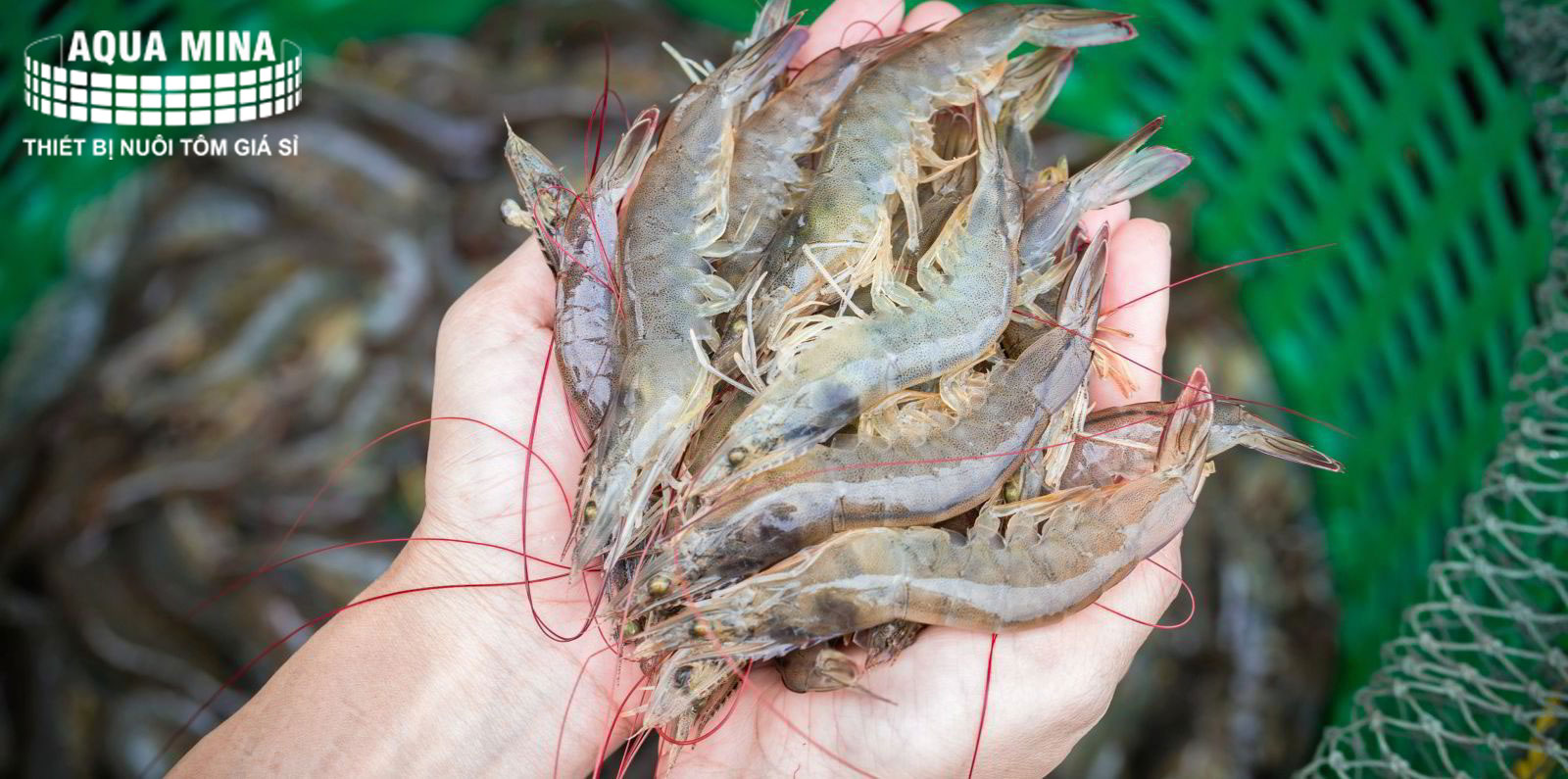
Who should not eat shrimp?
Although shrimp is nutritious and tasty, people with certain medical conditions should avoid it, including:
People who are coughing
While shrimp is healthy, those who are coughing should limit consumption because the throat is often sensitive and easily irritated. Eating shrimp during this time may worsen coughing and prolong recovery. It is best to avoid shrimp until the cough has completely resolved.
People with seafood allergies
Shrimp is a common allergen. Some individuals may experience itching, skin redness, swelling, or difficulty breathing after eating shrimp. In severe cases, it can lead to anaphylactic shock, which can be life-threatening. If you have a history of seafood allergies, you should strictly avoid shrimp.
People with conjunctivitis (pink eye)
During conjunctivitis, eating shrimp may worsen inflammation. The strong smell of seafood may cause irritation and slow recovery, so it is advisable to limit consumption during this period.
People with gout or high uric acid levels
Shrimp contains a relatively high amount of purines (about 150–200 mg per 100 g). In the body, purines are metabolized into uric acid, increasing the risk of acute gout attacks. People with gout or high uric acid levels should strictly control or avoid shrimp consumption.
People with kidney failure
Although shrimp provides high-quality protein, it is not suitable for people with impaired kidney function. Excessive protein intake can increase the metabolic burden on the kidneys and may worsen the condition if not properly controlled.
Source: nguoiduatin
AQUA MINA CO., LTD
– Address: 685 Le Duc Anh Street, Quarter 39, Binh Hung Hoa Ward, Ho Chi Minh City
– Phone: 1800 6071 (Toll-free hotline)
– Email: sales@aquamina.com.vn or oversea@aquamina.com.vn
– Aqua Mina’s Official Distributor in Japan: REX INDUSTRIES CO., LTD
– Address: 1-9-3 Hishiya-Higashi, Higashi-Osaka 578-0948, JAPAN
– Email: kimakubo@rexind.co.jp
– Phone: +81-(0)72-961-9893
– Website: www.rexind.co.jp/e/

WE WORK FOR THE SUCCESS
Ngày đăng : 22/02/2026
1157 View


Other Articles
Secrets to Enhancing the Durability of TURBO AQUA MINA Aquaculture Air Blowers
Vietnam’s shrimp exports to the UK: Growth potential in a highly competitive market
Shrimp prices drop sharply, farmers worry about unprofitable farming
AQUA MINA | CELEBRATING THE 67TH ANNIVERSARY OF VIETNAM’S TRADITIONAL FISHERIES DAY
Restructuring seed production to enhance the competitiveness of the aquaculture industry
AQUA MINA COMMITS TO NO PRICE INCREASE – 15% OFF PVC Knife Gate Valves, Double Flanges, and Elbow Flanges TO SUPPORT SHRIMP AND FISH FARMERS
Global shrimp prices – Week 12: Ecuador shrimp prices recover, while India and Indonesia remain stable
The global surimi market is projected to grow strongly.
Cà Mau: Expanding the RAS-IMTA model toward sustainable, zero-discharge shrimp farming.
From seed stock to farming equipment, high-tech aquaculture attracts strong interest in Ho Chi Minh City
Shrimp industry enterprises proactively adapt to global fluctuations
DAY 3 – AQUA MINA | STRONG CONNECTIONS – A MEMORABLE CLOSING AT VIETSHRIMP AISA 2026









.jpg)